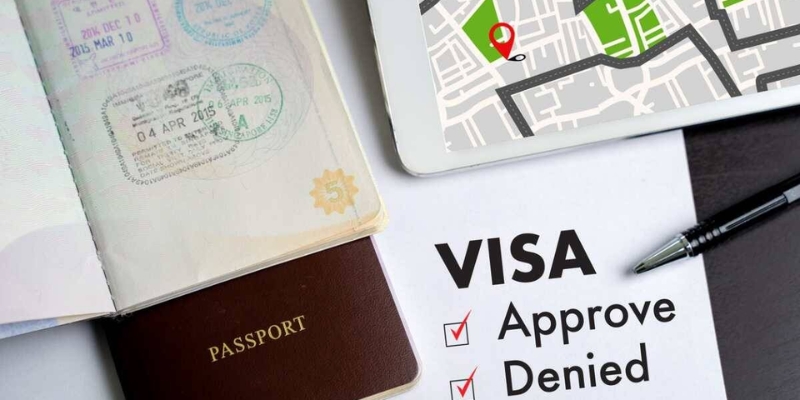
Planning to study abroad in 2026 is an exciting step toward building a successful international career. However, one of the most important parts of the journey is getting your student visa approved. Many students face delays or rejections because they do not fully understand the visa process, documentation requirements, or interview preparation.
Whether you are planning to study in Canada, Australia, United Kingdom, or Germany, understanding the complete student visa process can improve your chances of approval and make your study abroad journey smoother.
🌍 What is a Student Visa?
A student visa is an official permit that allows international students to stay and study in another country for a specific period. Each country has different visa rules, documentation requirements, processing times, and eligibility criteria.
Student visas are usually linked to:
- University admission confirmation
- Financial proof
- English language proficiency
- Health insurance
- Passport validity
Without a valid visa, students cannot legally study abroad.
Step-by-Step Student Visa Process
✅ Step 1: Receive Admission Letter
The first step is securing admission from a recognized university or college. Once your application is accepted, the university issues an official offer letter or Confirmation of Enrollment (COE).
This document is mandatory for student visa applications.
✅ Step 2: Arrange Required Documents
Most countries require the following documents:
- Valid passport
- Admission or offer letter
- Academic certificates and transcripts
- IELTS/TOEFL/PTE score
- Passport-size photographs
- Financial proof
- Statement of Purpose (SOP)
- Medical reports (if required)
- Visa application form
Missing documents are one of the most common reasons for visa delays.
💰 Financial Requirements for Student Visa
Almost every country asks students to prove they can financially support themselves during studies.
Financial proof may include:
- Bank statements
- Education loan sanction letter
- Sponsor documents
- Income proof
Countries like Canada and Australia also require proof of living expenses in addition to tuition fees.
Students should maintain proper bank balance history because sudden large deposits can create issues during visa processing.
🗣️ English Language Requirements
Many universities and visa authorities require English proficiency tests such as:
- IELTS
- TOEFL
- PTE
The required score depends on the country and course.
For example:
- Canada generally accepts IELTS 6.0–6.5
- UK universities often require 6.0–7.0
- Australia also accepts PTE and TOEFL scores
Strong language scores improve both university admission and visa approval chances.
🏥 Medical & Health Insurance Requirements
Some countries require students to complete medical examinations before visa approval.
Examples:
- Australia requires Overseas Student Health Cover (OSHC)
- Canada may request medical tests
- UK students may need Immigration Health Surcharge (IHS)
Health insurance is important because medical expenses abroad can be very high.
🎯 Student Visa Interview Tips
Countries like the USA often conduct visa interviews to evaluate student intentions and financial capability.
Common Interview Questions:
- Why did you choose this country?
- Why this university?
- What are your future career plans?
- Who is sponsoring your education?
Important Tips:
- Speak confidently
- Give honest answers
- Carry complete documents
- Clearly explain career goals
Proper preparation significantly improves visa success rates.
⚠️ Common Reasons for Student Visa Rejection
Many student visas get rejected due to avoidable mistakes.
Major Reasons Include:
- Incomplete documents
- Weak financial proof
- Poor SOP
- Low IELTS score
- Lack of genuine study intent
- Incorrect information
Students should carefully prepare every document before submission.
🏡 Accommodation & Living Preparation
After visa approval, students should begin preparing for:
- Student accommodation
- Travel booking
- Currency exchange
- Airport pickup
- Local transportation
Countries such as Dubai and Malta also offer affordable student accommodation options for international students.
💼 Can Students Work While Studying Abroad?
Many countries allow international students to work part-time while studying.
Examples:
- Canada: Up to 24 hours/week
- Australia: Limited work rights for students
- UK: Part-time work allowed during studies
Part-time jobs help students manage expenses and gain international work experience.
🌟 Benefits of Studying Abroad in 2026
Studying abroad offers several advantages:
- International degree recognition
- Better career opportunities
- Global networking
- Improved communication skills
- Exposure to multicultural environments
- Higher salary potential
International education can completely transform a student’s personal and professional future.
📢 How Education Consultants Help Students
Professional study abroad consultants assist students with:
- University selection
- SOP writing
- Visa filing
- Documentation
- Accommodation guidance
- Scholarship applications
Expert guidance reduces mistakes and improves visa success rates.
🔚 Final Thoughts
The student visa process may look complicated, but with proper planning and accurate documentation, students can successfully achieve their dream of studying abroad in 2026.
Choosing the right country, preparing financial documents carefully, and following visa rules properly are the keys to a successful international education journey.
If you are planning to study abroad, start your preparation early and seek professional guidance whenever needed.